
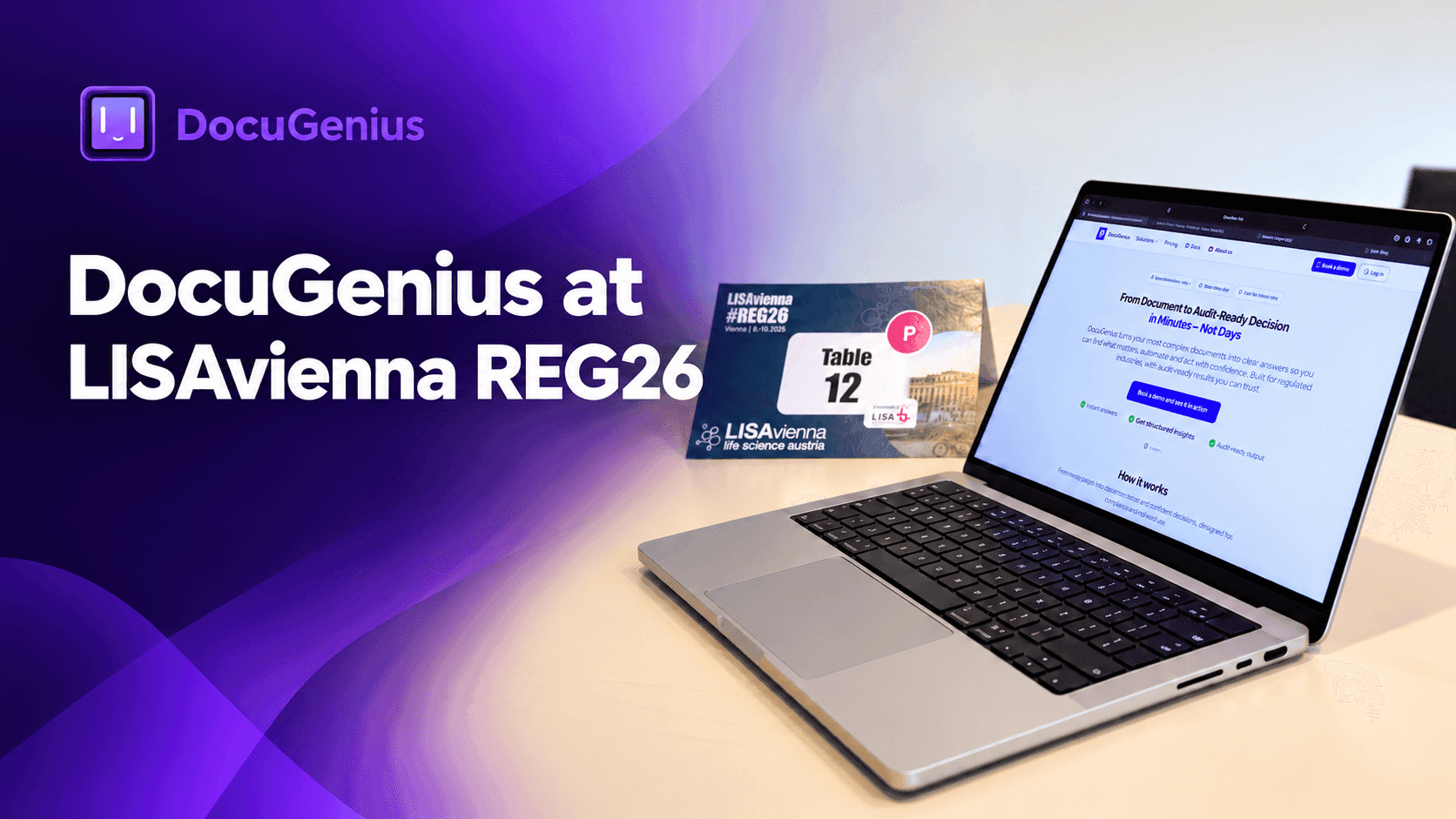
The coffee had gone cold in my hand before I realised I’d stopped drinking it. I was standing in the Apothekertrakt at Schönbrunn, listening to a conversation, when it hit me how far this had come: DocuGenius was at LISAvienna REG26.
We didn’t have a booth. Instead, we took part in the conference and arranged one-to-one matchmaking meetings through B2Match. LISAvienna’s 10th Regulatory Affairs Conference for Medical Devices and In-vitro Diagnostics took place on 15 October 2026 at Schloss Schönbrunn in Vienna. Its programme brought together experts from notified bodies, authorities, companies and research institutions.
One session title stayed with me: Regulatory workflow transformation in notified bodies and companies: How to reduce complexity and boost efficiency. That subject is close to the problem DocuGenius works on. The valuable conversations weren’t about AI for its own sake. They were about where work gets stuck and what would make a difference inside a real process.
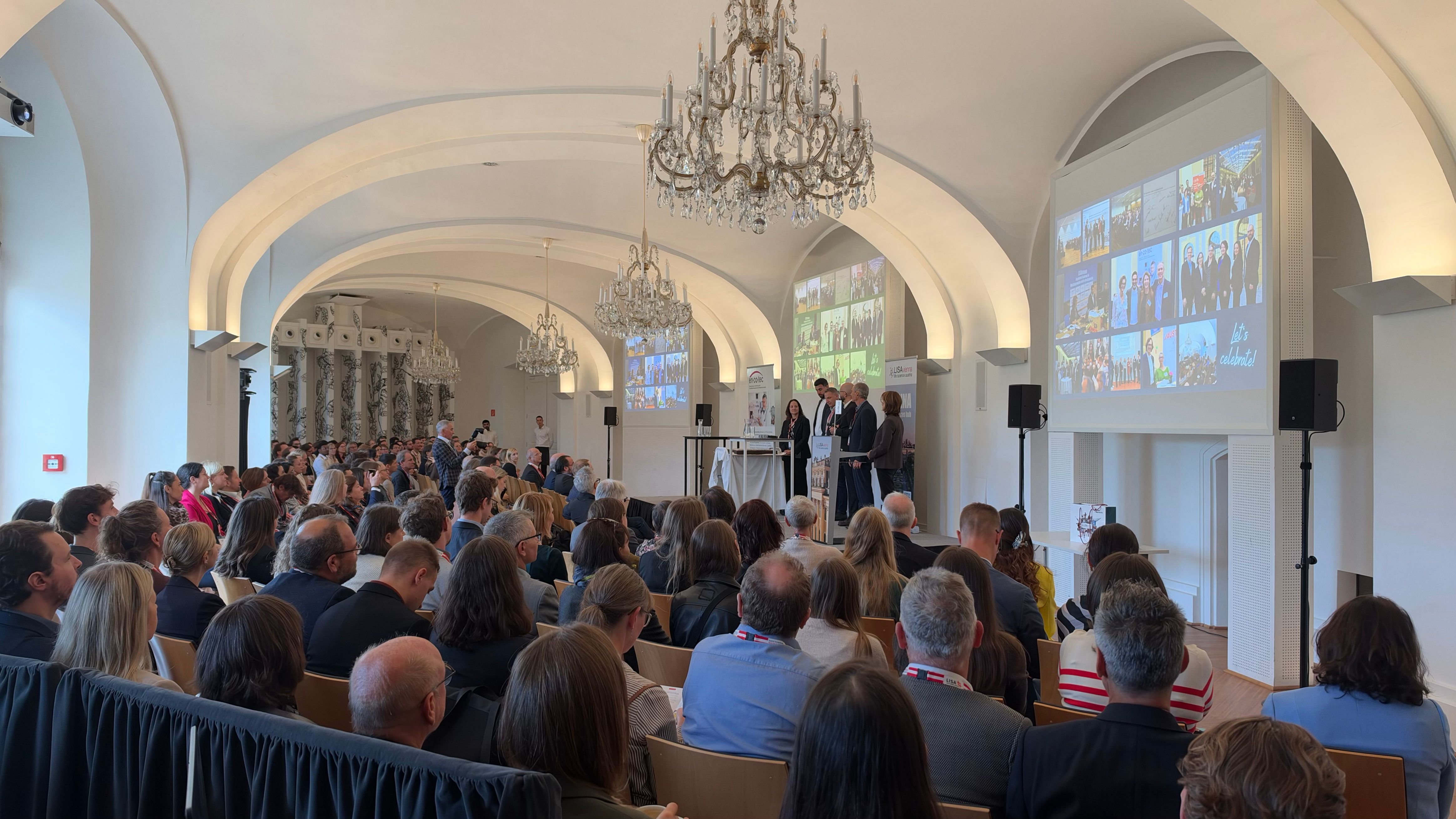
I spoke with people working in medical-device quality, regulatory affairs, diagnostics and consulting. A consistent lesson emerged: when introducing AI into regulated work, start with the workflow. The technology matters only if it fits the process, makes its role clear and helps the people responsible for the work.
Quality and regulatory work is more than “reviewing documents.” Reviews happen within procedures, checklists and approval steps. A tool has to fit that structure and make it clear what it checks, what it flags and where human judgment remains essential.
Start with a specific document-review task
“Document automation” can mean many things: checking a technical file against requirements, finding conflicting information, confirming that supporting evidence is present or routing exceptions to the right reviewer.
Before assessing automation, choose a specific task that happens repeatedly. How often does it occur? Which documents are involved? Where does manual effort or rework build up? What should the software flag, and which decisions should stay with a person?
These questions turn a broad technology discussion into a practical evaluation. They also make it easier to agree on what a useful result would look like.
Make document checks traceable and reviewable
In regulated work, a result alone may not be enough. Reviewers need to understand which rule was applied, what information was checked and where the supporting evidence came from.
DocuGenius checks documents against configurable rules, links findings to source evidence and routes exceptions for human review. The aim is to help teams focus their attention on items that need judgment while keeping the checks visible and reviewable.
Fit into the systems teams already use
Many teams already have quality-management systems and established ways of working. A new tool needs to show how it could complement those processes and address a specific need. Integration, permissions, data handling and validation also need to be considered.
A useful walkthrough should reflect a workflow the team recognises. Synthetic examples can help demonstrate the process before anyone considers sharing confidential documents.
Keep expert judgment central
Automation can apply defined checks and surface missing or conflicting information. It can help reviewers find the items that need attention. It should not be presented as a replacement for regulatory expertise or as making compliance decisions on its own.
What I took away from LISAvienna REG26 is straightforward: start with a clear workflow, specific rules and evidence people can inspect. That gives a team a practical basis for deciding whether a focused evaluation is worthwhile.
DocuGenius helps teams check documents against configurable rules, link findings to evidence and route exceptions for review. If your team is assessing a recurring document-review workflow, learn more about DocuGenius or explore our MDR document workflow.
